

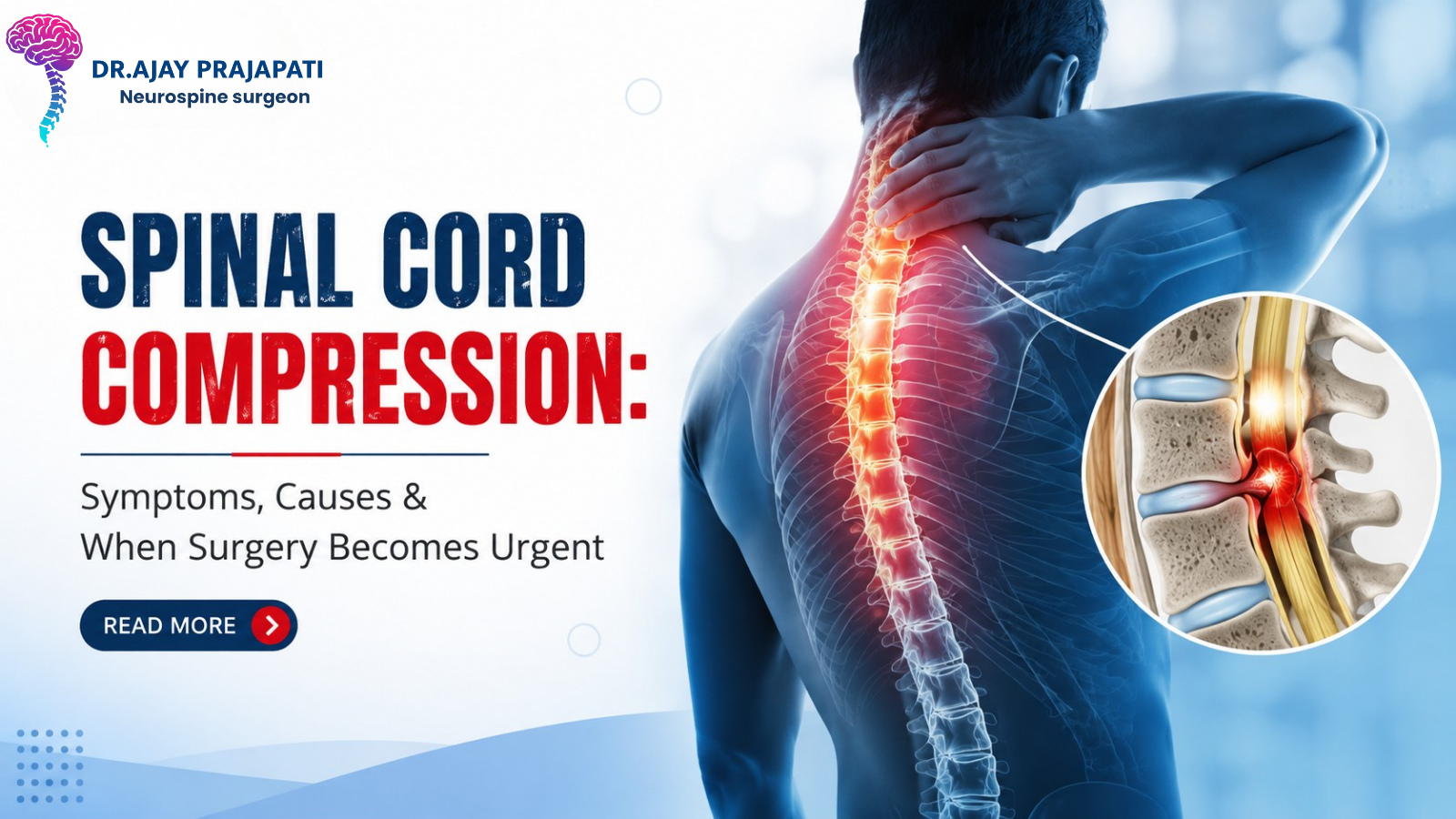
Spinal Cord Compression: Symptoms, Causes & When Surgery Becomes Urgent
Introduction
The spinal cord is one of the most important parts of the nervous system. It acts as a communication pathway between the brain and the rest of the body, controlling movement, sensation, and several essential functions. When pressure develops on the spinal cord, it can interfere with nerve signals and may lead to pain, weakness, numbness, and difficulty with daily activities. This condition is known as spinal cord compression.
Spinal cord compression can develop slowly due to age-related changes or suddenly because of injuries, infections, tumors, or severe disc problems. Early diagnosis and timely treatment are important because prolonged pressure on the spinal cord can increase the risk of permanent nerve damage.
Consulting the best brain and spine specialist in Noida can help patients receive accurate diagnosis and appropriate treatment based on the severity and cause of compression.
What Is Spinal Cord Compression?
Spinal cord compression occurs when something puts excessive pressure on the spinal cord or the surrounding nerves. The pressure can affect normal nerve communication between the brain and the body, resulting in symptoms that may range from mild discomfort to serious neurological problems.
The spinal cord is protected by the vertebrae, but conditions such as disc herniation, bone changes, spinal injuries, or abnormal growths can reduce the available space around it. Depending on the location and severity, compression can affect the neck region (cervical spine), middle back (thoracic spine), or lower back (lumbar spine).
Common Symptoms of Spinal Cord Compression
Symptoms may appear gradually or suddenly depending on the underlying cause. Some common warning signs include:
best brain and spine specialist in Noida
1. Neck or Back Pain
Persistent pain in the neck, upper back, or lower back is one of the earliest symptoms. The pain may sometimes spread to the arms, hands, hips, or legs due to nerve involvement.
2. Numbness and Tingling Sensation
Compression of spinal nerves can cause abnormal sensations such as pins and needles, burning sensations, or reduced feeling in the hands, arms, feet, or legs.
3. Muscle Weakness
Patients may experience weakness in their limbs, difficulty lifting objects, reduced grip strength, or trouble walking. Progressive weakness should never be ignored.
4. Balance and Coordination Problems
Pressure on the spinal cord can affect movement control, leading to difficulty maintaining balance, frequent falls, or problems with hand coordination.
5. Bladder or Bowel Control Problems
Loss of bladder or bowel control is considered a serious warning sign and may indicate severe nerve compression requiring urgent medical attention.
Causes of Spinal Cord Compression
Several conditions can lead to spinal cord compression, including:
Herniated or Bulging Disc
The discs between spinal bones act as cushions. When a disc slips or ruptures, it may press against the spinal cord or nearby nerves, causing pain and neurological symptoms.
Age-Related Spine Changes
Wear and tear of the spine can cause conditions such as spinal stenosis, where narrowing of the spinal canal creates pressure on the spinal cord.
Spinal Injuries
Accidents, falls, fractures, or sports injuries can damage vertebrae and create sudden pressure on the spinal cord.
Spinal Tumors
Abnormal growths near the spine can compress the spinal cord and require specialized treatment.
Infections and Inflammation
Infections around the spine can cause swelling or abscess formation, leading to pressure on the spinal cord.
How Is Spinal Cord Compression Diagnosed?
A specialist usually begins with a detailed medical history and neurological examination. The doctor evaluates muscle strength, reflexes, sensation, and movement patterns.
Imaging tests play an important role in diagnosis. MRI scans are commonly used because they provide detailed images of the spinal cord, discs, nerves, and surrounding tissues. CT scans and X-rays may also be recommended depending on the suspected cause.
Early diagnosis helps doctors decide whether conservative treatment or surgical intervention is required.
Treatment Options for Spinal Cord Compression
Treatment depends on the cause, severity of symptoms, and the amount of pressure on the spinal cord.
Non-Surgical Treatment
Mild cases may improve with:
- Pain-relieving medications
- Anti-inflammatory medicines
- Physical therapy
- Lifestyle modifications
- Activity adjustments
Regular monitoring may be recommended if symptoms are stable and there are no signs of nerve damage.
Surgical Treatment
Surgery aims to remove the pressure from the spinal cord and prevent further neurological damage. Procedures may include removing damaged disc material, enlarging the spinal canal, removing tumors, or stabilizing unstable areas of the spine.
A patient should discuss surgical options with the best brain and spine specialist in Noida when symptoms continue to worsen despite medication or therapy.
When Does Spinal Cord Compression Require Urgent Surgery?
Not every case of spinal cord compression requires emergency surgery. However, certain symptoms indicate that immediate medical evaluation is necessary.
Surgery may become urgent when:
- There is rapidly increasing weakness in the arms or legs
- The patient develops difficulty walking
- There is loss of bladder or bowel control
- Severe numbness develops around the inner thighs or pelvic region
- Imaging shows significant spinal cord pressure with neurological problems
- The compression is caused by trauma, infection, bleeding, or certain tumors
Delaying treatment in severe cases can increase the risk of permanent nerve damage. Quick intervention may help protect spinal cord function and improve recovery chances.
Importance of Early Consultation
Many people ignore early signs such as persistent back pain, tingling, or mild weakness. However, these symptoms may indicate an underlying spinal problem that needs evaluation.
A timely consultation with the best brain and spine specialist in Noida can help identify the cause, prevent complications, and provide a personalized treatment plan.
Modern diagnostic techniques and advanced surgical approaches have improved outcomes for many patients with spinal cord compression.
Conclusion
Spinal cord compression is a condition that requires careful attention because it can affect movement, sensation, and overall quality of life. While some cases can be managed with non-surgical treatments, severe symptoms may require urgent surgical intervention to prevent permanent nerve damage.
Recognizing warning signs and seeking expert medical advice at the right time can make a significant difference in recovery and long-term spinal health.
FAQs About Spinal Cord Compression
1. What is the main cause of spinal cord compression?
Common causes include slipped discs, spinal injuries, arthritis-related changes, tumors, infections, and narrowing of the spinal canal.
2. Is spinal cord compression always treated with surgery?
No. Mild cases may improve with medicines, therapy, and lifestyle changes. Surgery is considered when symptoms are severe or worsening.
3. Can spinal cord compression cause paralysis?
Severe or untreated compression can damage nerves and may lead to serious weakness or paralysis in some cases.
4. When should I see a spine specialist?
You should consult a specialist if you have persistent back pain with numbness, weakness, walking difficulty, or bladder and bowel changes.
5. Is an MRI required for diagnosing spinal cord compression?
MRI is commonly used because it provides detailed images of the spinal cord, nerves, and surrounding structures.