
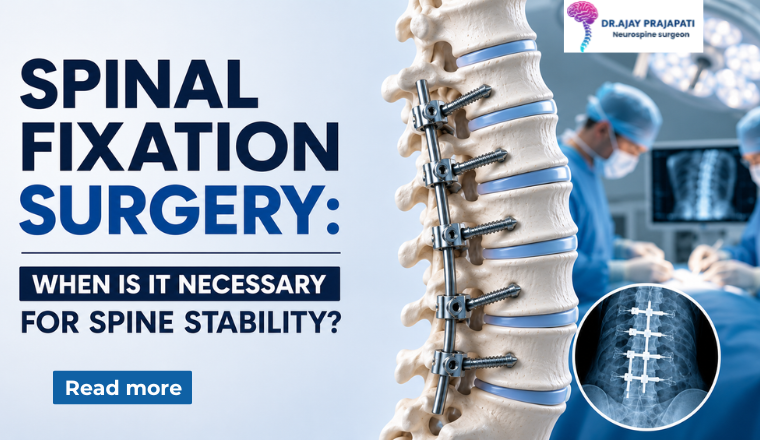
Spinal Fixation Surgery: When Is It Necessary for Spine Stability?
Back pain is something almost everyone deals with at some point — a sore lower back after a long day, stiffness from bad posture, or a pulled muscle from the gym. But every once in a while, back or neck pain isn't just discomfort. It's a sign that the spine itself has become unstable, and that's a very different problem that needs a very different solution.
Spinal fixation surgery often sounds intimidating the moment it's mentioned, but for the right patient, it's not a last resort — it's a life-changing fix. Let's break down what spinal instability actually means, when surgery genuinely becomes necessary, and how to know when it's time to stop managing pain and start addressing the cause.
What Is Spinal Fixation Surgery?
Spinal fixation, also called spinal fusion, is a surgical procedure that joins two or more vertebrae together using rods, screws, or bone grafts so they heal into a single, stable segment. The goal isn't just pain relief — it's restoring the structural integrity of the spine so it can safely bear weight and movement again.
Think of it like reinforcing a wobbly table leg. Painkillers and physiotherapy can ease the discomfort of a wobble, but if the leg itself is structurally unsound, nothing short of fixing the structure actually solves the problem.
Why Does Spinal Instability Happen?
The spine can lose its stability for several reasons, and understanding the cause is exactly why consulting the Best brain and spine specialist in Noida matters before jumping to conclusions about treatment.
1. Degenerative disc disease: As discs between vertebrae wear down with age, they lose their cushioning ability, which can cause the vertebrae to shift and rub against each other.
2. Spondylolisthesis: This is when one vertebra slips forward over the one below it, often due to a stress fracture or long-term wear, leading to nerve compression and pain.
3. Trauma or fractures: A car accident, a fall, or a sports injury can fracture or dislocate vertebrae, making the spine structurally unsafe without surgical stabilization.
4. Spinal tumors or infections:s These can weaken the bone structure of the spine to the point where it can no longer support the body safely.
5. Severe scoliosis or spinal deformities: Significant curvature can progress over time and, in advanced cases, needs surgical correction to prevent further nerve or organ complications.
Signs That Point Toward Instability, Not Just Ordinary Pain
Not every backache needs a scan or a specialist. But some symptoms are red flags that this might be more than muscular strain:
Pain that worsens with movement and improves significantly with rest
A sensation of the back "giving way" or feeling unstable while standing or walking
Numbness, tingling, or weakness radiating into the arms or legs
Loss of bladder or bowel control (a medical emergency)
Pain that hasn't improved after weeks of physiotherapy and medication
If any of these sound familiar, it's genuinely worth getting evaluated by the Best brain and spine specialist in Noida rather than continuing to self-manage with painkillers alone.
When Does Surgery Actually Become Necessary?
This is the question most patients really want answered, and the honest response is: surgery is considered only when conservative treatment has failed or when there's a clear structural danger.
When conservative treatment doesn't work, physiotherapy, medications, and lifestyle changes are always tried first. If pain and instability persist for several months despite these efforts, surgery starts becoming a realistic option.
When there's nerve compression:n If a slipped disc or vertebra is pressing on the spinal cord or nerve roots, causing weakness or loss of sensation, delaying surgery can lead to permanent nerve damage.
When the spine is structurally unsafe, fractures, severe slippage, or advanced degeneration that make everyday movement risky are strong indicators that fixation is needed to protect the spinal cord.
When deformity is progressing, in cases of worsening scoliosis or kyphosis, surgery may be necessary before the curve affects breathing or organ function.
This is precisely the kind of nuanced decision-making where getting a second opinion from the Best brain and spine specialist in Noida can make the difference between unnecessary surgery and a genuinely necessary one.
What Recovery Actually Looks Like
Spinal fixation isn't a quick fix, but it is a well-established, highly refined procedure. Most patients are encouraged to walk within a day or two after surgery, with a structured physiotherapy plan following over the next few months. Full bone fusion typically takes three to six months, though pain relief and mobility often improve much sooner.
Why the Right Specialist Matters So Much Here
Spinal surgery isn't one-size-fits-all. The decision to fuse a segment, choose minimally invasive versus open surgery, or explore alternatives entirely depends heavily on imaging, patient history, and clinical judgement. This is exactly why patients across Noida consistently seek out the Best brain and spine specialist in Noida — the difference between a good outcome and a complicated one often comes down to accurate diagnosis and surgical experience.
If you've been living with chronic back pain and conservative treatments simply aren't cutting it anymore, don't wait for the pain to become unbearable or for nerve symptoms to appear. An honest, thorough consultation with the Best brain and spine specialist in Noida can tell you clearly whether you're a candidate for surgery — or whether there's still a non-surgical path forward.
The Bottom Line
Spinal fixation surgery is necessary, not optional, when the spine's structural stability is genuinely compromised — through trauma, disease, or progressive deformity. It is never the first response to ordinary back pain, but for those with true instability, it can restore stability, relieve nerve pressure, and prevent long-term disability. If your symptoms match the warning signs above, the smartest next step is a proper evaluation with the Best brain and spine specialist in Noida. So any decision about surgery is based on facts, not fear.
FAQs
1. Is spinal fixation surgery always permanent?
Yes, fused vertebrae are meant to heal together permanently for lasting stability.
2. How long does recovery take?
Most patients walk within days, with full fusion taking three to six months.
3. Does spinal fixation limit movement afterward?
There's some reduced flexibility at the fused segment, but overall mobility usually improves.
4. Can spinal instability be treated without surgery?
Yes, many cases respond well to physiotherapy and lifestyle changes first.
5. When should I see a specialist urgently?
If you notice numbness, weakness, or loss of bladder control, seek help immediately.