
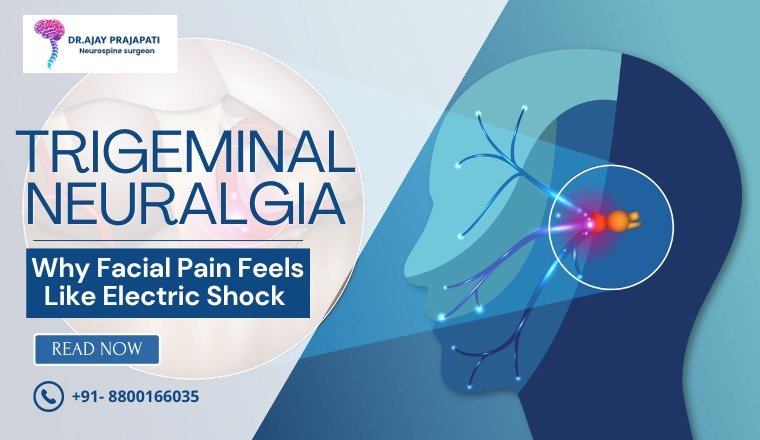
Trigeminal Neuralgia: Understanding Electric Shock-Like Facial Pain
Introduction
Imagine brushing your teeth, and suddenly a jolt of searing pain shoots through your face—so intense it feels like you've been struck by lightning. You freeze, afraid to move, barely able to breathe. This isn't imagination or exaggeration. For people living with trigeminal neuralgia, this nightmare is their daily reality.
Often called the "suicide disease" because of its unbearable intensity, trigeminal neuralgia is one of the most painful conditions known to medicine. Yet despite affecting approximately 150,000 people worldwide each year, many suffer in silence, unsure of what's happening to them or where to find help.
If you've experienced these shocking facial pains, you're not alone—and more importantly, you're not without hope.
What Is Trigeminal Neuralgia?
Trigeminal neuralgia (TN) is a chronic pain condition affecting the trigeminal nerve, one of the largest nerves in your head. This nerve is responsible for carrying sensation from your face to your brain, with three main branches covering your forehead, cheek, and jaw.
When this nerve malfunctions, it sends incorrect pain signals to your brain, creating sudden, severe episodes of facial pain that patients universally describe as electric shocks, stabbing sensations, or lightning bolts striking their face.
The pain typically affects one side of the face and can last from a few seconds to several minutes. For some, these attacks occur occasionally. For others, they happen dozens or even hundreds of times daily, making normal life nearly impossible.
Why Does It Feel Like Electric Shocks?
The electric shock sensation isn't just a description—it's remarkably accurate to what's happening in your nervous system.
Your trigeminal nerve transmits signals through electrical impulses. When healthy, these impulses travel smoothly along the nerve's protective coating (myelin sheath). But in trigeminal neuralgia, this protective layer becomes damaged, often because a blood vessel presses against the nerve near the brainstem.
Think of it like an electrical wire with damaged insulation. The exposed wire can "short-circuit," sending erratic, intense signals. Similarly, when your trigeminal nerve's insulation is compromised, normal sensations—like a gentle touch or temperature change—can trigger explosive pain signals that your brain interprets as electric shocks.
According to the National Institute of Neurological Disorders and Stroke, this compression and demyelination of the trigeminal nerve is the most common cause of TN, though other factors can also contribute.
What Causes Trigeminal Neuralgia?
Understanding the cause is the first step toward effective treatment. Common causes include:
Blood Vessel Compression: The most frequent cause—an artery or vein presses against the trigeminal nerve, wearing away its protective coating over time.
Multiple Sclerosis: This disease damages the myelin sheath throughout the nervous system, including the trigeminal nerve.
Tumors: Rarely, a tumor can press on the nerve, causing similar symptoms.
Stroke or Trauma: Damage to the nerve pathway from injury or stroke can trigger TN.
Aging: Natural deterioration of the myelin sheath with age increases risk, which is why TN typically affects people over 50.
Recognizing the Triggers
One of the most frustrating aspects of trigeminal neuralgia is how everyday activities can trigger attacks. Understanding your triggers helps you manage the condition better.
Common triggers include:
- Brushing teeth or washing your face
- Eating or chewing
- Talking or smiling
- Light touch on the face
- Cold wind or air conditioning
- Shaving or applying makeup
- Vibrations from walking or riding in a car
These triggers don't cause the condition—they simply activate the already-damaged nerve. It's like pressing a bruise; the pain comes from existing damage, not the gentle pressure itself.
The Emotional Toll
Living with trigeminal neuralgia extends beyond physical pain. The constant fear of triggering an attack creates profound anxiety. Many patients stop eating properly, avoid social situations, and withdraw from activities they once loved.
Depression is common, not because patients are weak, but because chronic pain fundamentally changes brain chemistry and quality of life. If you're struggling emotionally with TN, that's not a character flaw—it's a normal response to an abnormal situation, and it deserves treatment alongside the physical symptoms.
Getting the Right Diagnosis
If you're experiencing these electric shock-like facial pains, seeing a best brain and spine specialist in Noida is crucial for proper diagnosis and treatment.
Diagnosis typically involves:
- Detailed medical history: Describing your pain patterns, triggers, and intensity
- Neurological examination: Testing facial sensation and reflexes
- MRI scans: Identifying blood vessel compression, tumors, or MS-related damage
- Ruling out other conditions: Dental problems, TMJ disorders, or other facial pain causes
Accurate diagnosis matters because trigeminal neuralgia has a distinctive pattern. The pain is sudden, severe, one-sided, and triggered by specific activities—features that distinguish it from other facial pain conditions.
Treatment Options That Work
The good news? Effective treatments exist, and most patients find significant relief.
Medications
Anticonvulsant drugs, particularly carbamazepine, are the first-line treatment. These medications calm nerve firing, reducing both frequency and intensity of attacks. Other options include oxcarbazepine, gabapentin, and baclofen.
Medications work well initially for about 80% of patients, though effectiveness may decrease over time as the body adapts.
Surgical Interventions
When medications fail or side effects become unbearable, surgical options offer hope:
Microvascular Decompression: A best brain and spine specialist in Noida can perform this surgery to move or remove blood vessels compressing the trigeminal nerve. This addresses the root cause and provides long-term relief for many patients.
Gamma Knife Radiosurgery: Focused radiation damages the nerve selectively, reducing pain signals without incisions.
Rhizotomy Procedures: Various techniques intentionally damage the nerve to stop pain signals, though this may cause facial numbness.
Living Well with Trigeminal Neuralgia
While seeking treatment from the best brain and spine specialist in Noida, these strategies can help you cope day-to-day:
- Eat soft foods at room temperature to minimize chewing and temperature triggers
- Practice stress management, as stress can increase attack frequency
- Protect your face from wind and cold with scarves or masks
- Maintain medication schedules consistently
- Join support groups to connect with others who understand
- Keep a pain diary to identify personal triggers and patterns
Hope for the Future
Medical research continues to advance our understanding and treatment of trigeminal neuralgia. New medications, refined surgical techniques, and innovative therapies are constantly emerging.
What seemed untreatable decades ago now has multiple effective solutions. With proper care from the best brain and spine specialist in Noida, most people with TN can achieve significant pain reduction and return to meaningful, enjoyable lives.
Take Action Today
If facial pain is controlling your life, don't wait. The sooner you seek specialized care, the sooner you can find relief. Trigeminal neuralgia is serious, but it's also treatable.
You deserve to smile, eat, and live without fear of lightning striking your face. Expert help is available, and relief is possible.
Your journey from pain to peace begins with a single step: reaching out for help. That step could change everything.
Frequently Asked Questions
1. Is trigeminal neuralgia dangerous or life-threatening?
No, TN isn't life-threatening, but severe pain significantly impacts quality of life and requires treatment.
2. Can trigeminal neuralgia go away on its own?
Rarely. Most cases require treatment, though remission periods can occur between pain episodes.
3. How is trigeminal neuralgia different from a toothache?
TN causes sudden, electric shock-like pain triggered by touch, while toothaches are constant and worsen with pressure.
4. Will I need surgery for trigeminal neuralgia?
Not always. Many patients manage well with medications; surgery is considered when medications fail or cause intolerable side effects.
5. Can stress cause trigeminal neuralgia attacks?
Stress doesn't cause TN, but it can trigger attacks and worsen symptoms in people already diagnosed.